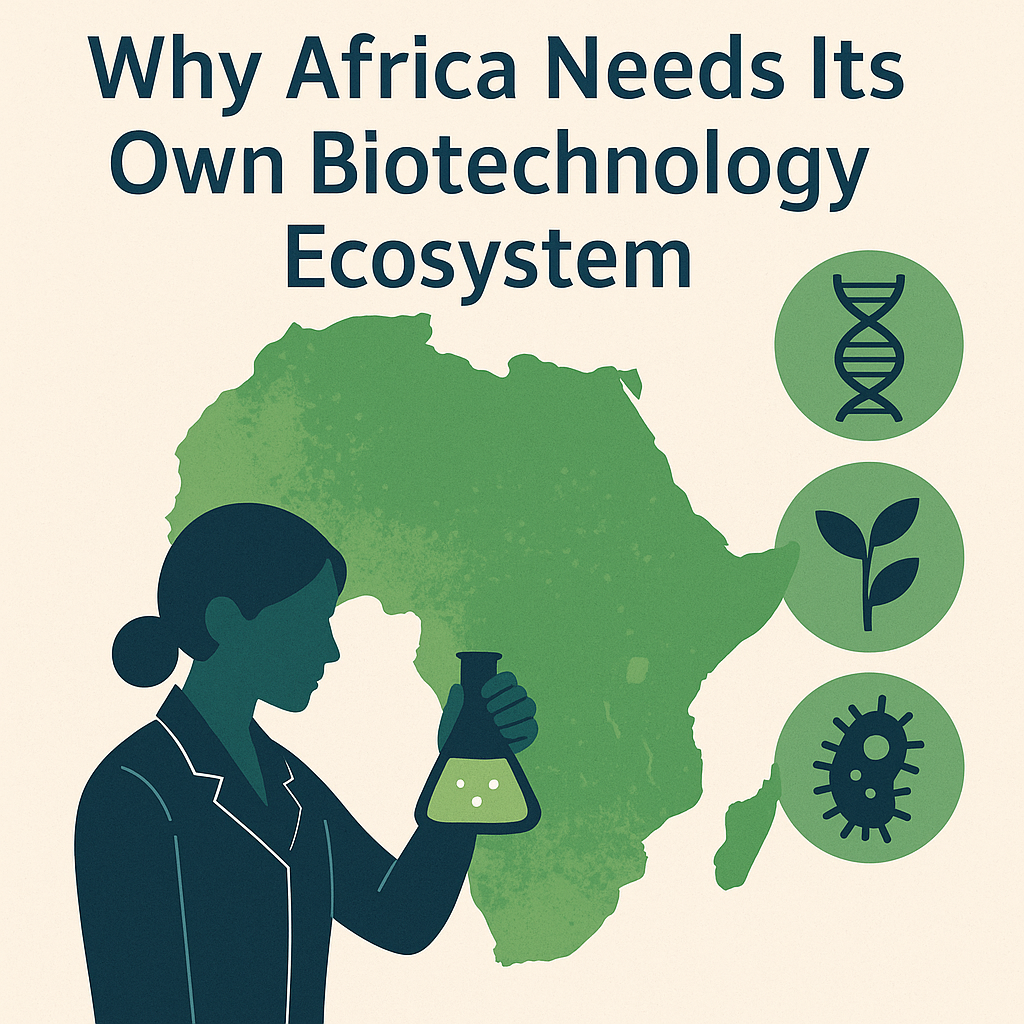
Africa’s Pharmacogenetic Boom: The Urgent Need for Genetic Testing
For decades, many African countries have faced a one-size-fits-all approach to medicine, where drug treatments developed in Europe or North America were applied locally without considering the unique genetic backgrounds of African populations. However, a turning point is now underway.
In the feature article titled “Why Pharmacogeneticists in Africa Will Be in High Demand,” seasoned researcher Collen Masimirembwa highlights a profound shift: Africa’s own translational science is gaining traction, leading to a growing need for experts who can match medicines to genetic profiles.
Why Now?
Africa is home to immense genetic diversity, yet much of the global drug-safety and efficacy research is based on non-African populations. As African health systems increasingly grapple with issues like drug resistance, adverse reaction risks, and under-response to therapies, pharmacogenetics offers a pathway to tailor treatments and improve health outcomes.
The demand for specialists trained in pharmacogenomics, bioinformatics, and clinical implementation is rising—a trend that the article claims is “paying off” for Africa-led translational science.
Opportunities for Africa’s Biotech and Research Ecosystem
- Workforce Development & Capacity Building: Universities, research institutes, and biotech firms can invest in training the next generation of pharmacogeneticists.
- Industry Growth: Local biotech startups focused on personalized medicine, diagnostics, and therapeutic tailoring have a significant opportunity.
- Regulatory & Policy Innovation: National agencies must adapt to handle genetic data governance, personalized drug approvals, and ensure equitable access.
- Health Equity: By fostering African-specific research and testing, the continent can reduce reliance on imported models and ensure that medicines reflect local genetics.
Challenges on the Horizon
The article acknowledges that several barriers, including limited funding, uneven infrastructure, and gaps in skilled personnel, remain major hurdles. It emphasizes that building capacity now will determine who shapes the next era of medicine on the continent.
Read the full article from Nature Africa