
Africa’s New Medicines Watchdog: A Game-Changer for Health Innovation
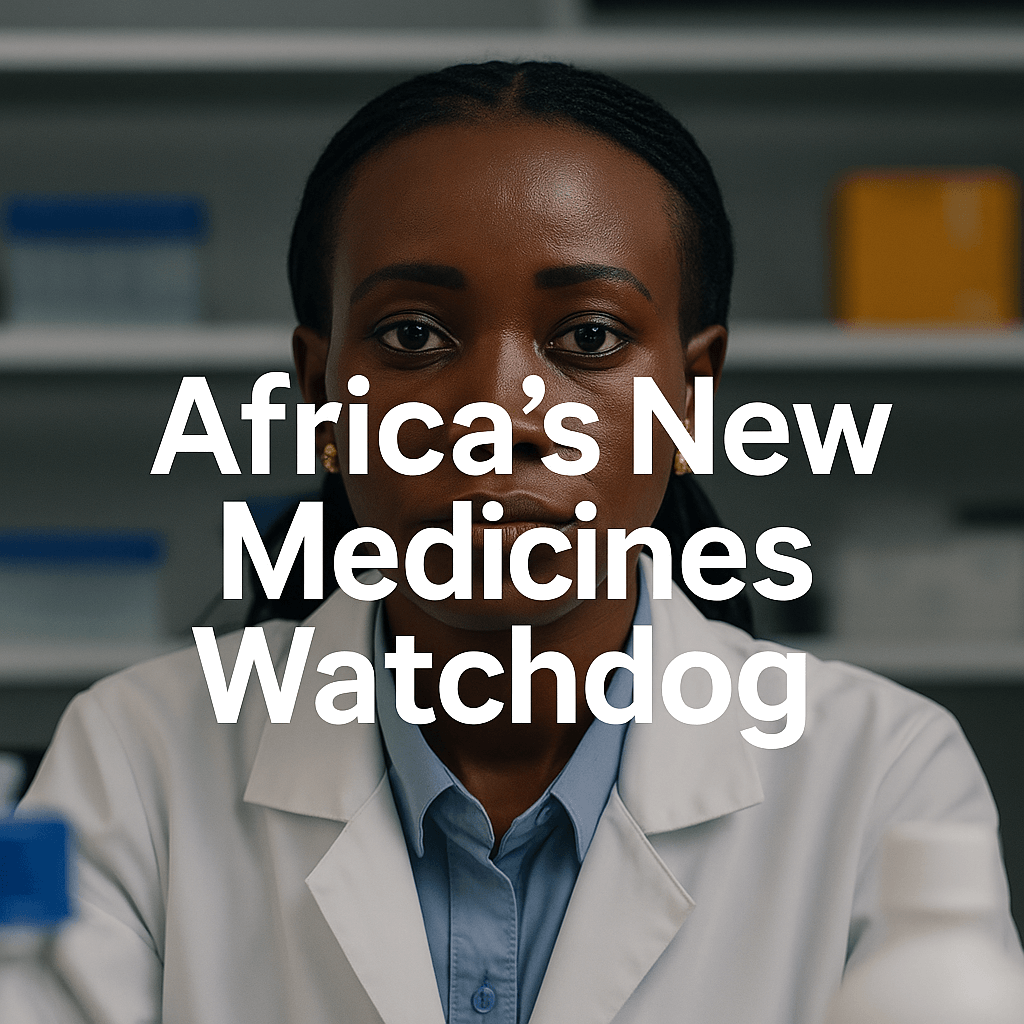
For the first time in decades, Africa is witnessing the establishment of a transformative regulator for medicines. The newly launched African Medicines Agency (AMA), celebrated in Mombasa, Kenya, marks a significant shift in how the continent oversees, approves, and supports medical products.
“If it gets things right, the first major regulator of medicines to launch in 30 years could empower Africa to tackle its own health and disease challenges.” — Mulubwa, Mutesa & Chibale
Why This Matters
Many African nations have struggled with fragmented regulatory systems, a heavy reliance on imports, and limited capacity to supervise pharmaceuticals and biotechnology. The establishment of the AMA presents an opportunity for harmonized oversight, quicker approvals, stronger quality control, and increased local manufacturing.
What the AMA Aims to Achieve
- A continent-wide regulatory body that coordinates policies, standards, and approvals across African nations.
- Support for African-centered innovation, enabling the development and approval of drugs, vaccines, and biotech products tailored to the continent’s diseases.
- Strengthened frameworks for the safety, efficacy, and quality of medicines, which are crucial for healthcare, particularly in resource-constrained settings.
Opportunities for Africa
The AMA offers Africa a chance to:
- Reduce dependency on external regulators and importers.
- Boost local biotechnology and pharmaceutical industries.
- Address neglected diseases more effectively with faster and context-specific responses.
- Promote harmonized regulatory standards to facilitate cross-border trade and manufacturing.
Challenges Ahead
However, success is not guaranteed. Key hurdles include:
- The need for capacity building in many national regulatory agencies.
- Ensuring sustained funding, political commitment, and adequate infrastructure.
- Avoiding duplication and fragmentation by aligning regional and national agencies.
- Making the AMA responsive to local needs, rather than allowing it to become another centralized body disconnected from local contexts.
What This Means for BioFront Africa Readers
For investors, biotech companies, researchers, and policymakers, the AMA signals that Africa is entering a new phase—transitioning from being recipients of global health products to becoming creators, manufacturers, and regulators. This underscores the importance of aligning innovation strategy with regulatory capacity and highlights that Africa’s biotech future is increasingly in African hands.
Read the full article from Nature Africa