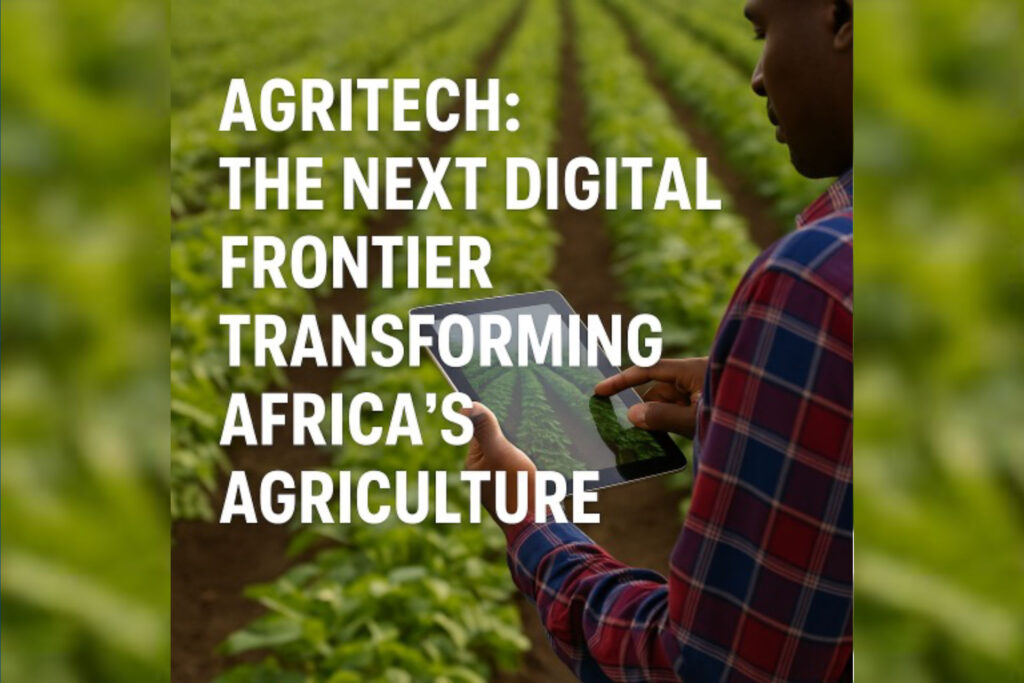
AgriTech: The Next Digital Frontier Transforming Africa’s Agriculture
For years, Africa’s digital success has primarily focused on mobile money, fintech, and urban connectivity. However, the continent’s most transformative digital opportunity lies in its agricultural sector. Agriculture is Africa’s largest employer and economic backbone, contributing up to 40% of GDP and accounting for 80% of employment in several countries. Experts now argue that the key to transforming Africa’s economic future is to bring digital innovation to agriculture, a shift driven by AgriTech. In a recent episode of the TechAfrica News Podcast, Aliou Maïga, Regional Industry Director for the International Finance Corporation (IFC), emphasized the importance of agricultural technology in Africa’s development strategy. “If you want to create jobs in Africa, agriculture is the biggest employer. Unless you increase its productivity not only for food security but also for job creation you miss half of the potential,” Maïga stated.
From Aid to Self-Reliance
As global aid flows decline, Africa’s sustainability hinges on its ability to fund its own growth. For the International Finance Corporation (IFC), AgriTech is not just an innovative tool; it’s a pathway to improved productivity, resilience, and self-reliance. AgriTech connects farmers, financiers, and data systems, creating an integrated ecosystem that combines finance, logistics, and production. This transformation turns farming from a subsistence activity into an industrial endeavor.
What AgriTech Really Does
Modern AgriTech platforms encompass the entire value chain from soil to market. By utilizing satellite imagery, IoT sensors, and digital profiles, these companies offer services such as crop monitoring, credit scoring, insurance, and market access within one cohesive ecosystem.
“AgTechs are essentially fintech companies that provide all the services a farmer or cooperative needs to enhance productivity,” Maïga explained. “Financing is only the final step in the process; what truly enables it is reducing risk and cost.” In Morocco, the IFC-backed company Sowit increased crop yields by 30% and farmers’ incomes by over 50% in just two seasons. This success demonstrates how data can make agriculture financially viable, allowing banks, insurers, and governments to invest confidently in rural economies.
Building Digital Supply Chains
AgriTech is not only enhancing productivity but also improving traceability and transparency across Africa’s food systems. By digitizing inputs, mechanization, and markets, every stage of the production cycle becomes visible. Governments can obtain accurate data for policy-making and taxation, banks can better assess creditworthiness, and cooperatives can forecast demand and negotiate more favorable prices.
“If you digitize the farmers, their suppliers, and their offtakers, you gain complete visibility over the largest part of the economy,” said Maïga. “This visibility enables governments to design better policies and mobilize domestic resources.”
Such transparency transforms the informal sector into a measurable and investable economy, thereby redefining governance, inclusion, and accountability.
The Phygital Revolution
Africa’s AgriTech revolution is not solely digital; it is also “phygital,” blending physical networks with digital tools. Field agents often young, educated locals act as intermediaries, helping farmers gather data, access services, and adopt new technologies. This model not only expands technology adoption but also creates job opportunities for the youth in Africa, making agriculture a dynamic, tech-driven industry. “Injecting technology makes agriculture exciting again for both farmers and youth,” Maïga emphasized.
Rethinking Risk and Finance
Traditionally, agriculture has been considered too risky by conventional banks, as most lending tends to focus on post-harvest stages where collateral is visible. AgriTech alters this perception by utilizing real-time crop data to forecast outcomes and reduce the risks associated with financing. The International Finance Corporation (IFC) is developing a $500 million agricultural finance pipeline supported by AgriTech platforms. This initiative aims to help lenders make data-driven credit decisions, marking a shift from perception-based to evidence-based agricultural finance.
Data as the New Currency
Data is rapidly emerging as Africa’s most valuable agricultural asset. Ranging from satellite images to transaction histories, data informs policies, forecasting, and food security planning. Artificial intelligence is now being used to diagnose crop diseases, predict yields, and optimize resource use transforming every farmer’s smartphone into a valuable diagnostic tool.
Infrastructure and Mindset
While infrastructure gaps still exist, connectivity is no longer the main barrier; mobile coverage now reaches over 70% of Africa. The real challenge, according to Maïga, lies in the mindset the belief that agriculture is too traditional to innovate. “Agriculture has been managed by economists for decades. Now we need technologists, financiers, and data scientists to work together,” he stated.
Measuring Success
The International Finance Corporation (IFC) aims to bring five million hectares of farmland under digital management by 2030, focusing on staple crops such as rice, wheat, and maize. Each hectare that is digitized represents higher productivity, increased income, and more jobs creating ripple effects throughout rural economies.
Africa’s Digital Agriculture Future
AgriTech is redefining Africa’s development narrative by linking technology, youth, and sustainability. It connects farmers to financing, transforms data into valuable capital, and positions agriculture as a driver of digital growth. “Africa can build its own financial and development systems,” Maïga concluded. “Technology is not an obstacle; it is the bridge.”
Tags / Keywords:
#BioFrontAfrica #AgriTech #DigitalAgriculture #IFC #FoodSecurity #ClimateSmartFarming #AgriInnovation #AIinAgriculture #FintechforFarming #SustainableGrowth #YouthinAgriculture #DataDrivenFarming #AgritechAfrica